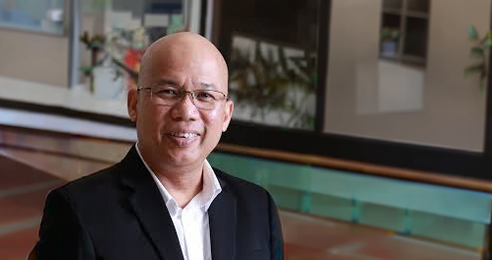
Former Vice-Chancellor
Tenaga Nasional Berhad, or in the early days known as the Central Electricity Board (CEB), has always been committed to the betterment of education in Malaysia. Excellent students were sponsored to pursue their degrees in overseas universities who then serve the company upon the completion of their studies.
1997-2000
Campus Expansion
Dr. Tajul Arus Noh, the first Rector of UNITEN, articulated the university's primary mission: to provide quality education and training in engineering, information technology, business, and related fields for both Malaysian and international students.
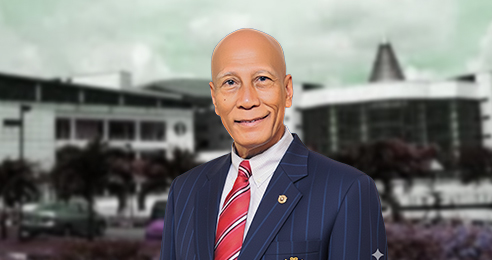
2001 - 2006
Research Development
In 2001, Dato’ Prof. Ir. Dr. Zainul Abidin Md. Sharrif took over the duties of running the university from Dr. Tajul Arus Noh. The new Vice-Chancellor served the university with distinction until his retirement in 2006.
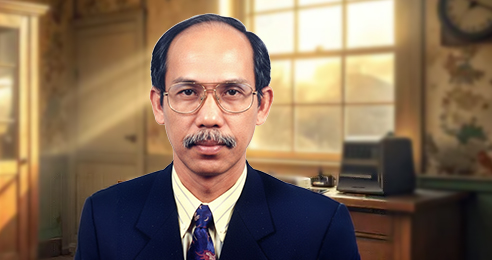
2007 - 2014
Global Engagement
Dato’ Seri Prof. Mashkuri Yaacob took over the helm as Vice-Chancellor on 1 January 2007 and continued where his predecessor had left off. One of his goals was to further strengthen the unity among the staff of UNITEN and he achieved it through the use of the term “sahabat” (companion) when staff address one another, regardless of position or designation.
2015 - 2022
Innovation & Sustainability
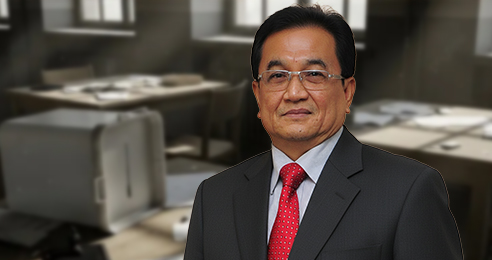
The incumbent Vice-Chancellor, Prof. Dato’ Seri Ir. Dr. Kamal Nasharuddin Mustapha took office on 5 May 2015 and immediately set out to take UNITEN to greater heights. He initiated the drive to transform the campus into a vibrant hive of scholarly and social activities while being “green” at the same time.

2022 - 2023
Innovation & Sustainability
Biomechanical expert Prof. Dato’ Seri Ir. Dr. Noor Azuan Abu Osman has been appointed Universiti Tenaga Nasional’s (UNITEN) fifth VC effective June 8, 2022. He spearheaded initiatives to "Industrialize" UNITEN, fostering deeper collaborations with industry partners to enhance graduate employability and enrich student development programs. Simultaneously, he pursued the "Internationalization" of the university, forging strong working relationships with esteemed institutions globally. This involved expanding dual degree programs, inviting distinguished international professors, and welcoming international postdoctoral researchers.